Pattern
HHL-LLH-LLM-MML-LHM
This is the standard 15-dimension pattern string for the type. It helps explain why this result tends to read the way it does.
Type Detail
You care deeply about boundaries and the quality of solitude.
You are not necessarily cold. You are simply uninterested in closeness that feels noisy, forced, or inefficient. Distance keeps you stable.
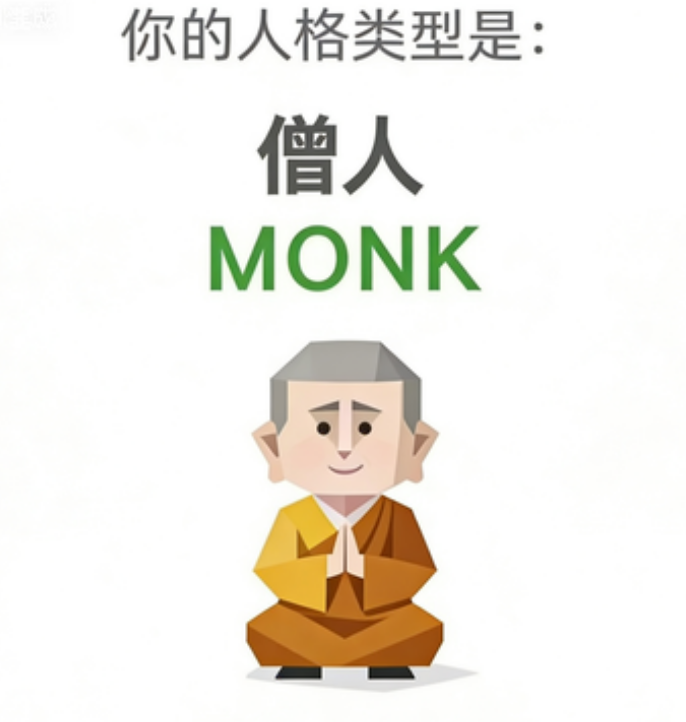
MONK
Monk
Pattern
This is the standard 15-dimension pattern string for the type. It helps explain why this result tends to read the way it does.
How To Use This Page
Use this page to understand the label, its 15-dimension pattern, and the nearby types that sit closest to it.
Result Read
Treat this page as a lightweight result explainer. It is most useful when you combine the label with the 15-dimension breakdown instead of reading it as a strict diagnosis.
You are not necessarily cold. You are simply uninterested in closeness that feels noisy, forced, or inefficient. Distance keeps you stable.
If you already finished the quiz, compare this page with your own vector. If you arrived here first, the clearest next step is still to take the full test.
Dimension Snapshot
These cards summarize the default tendency of the type on each dimension, so you can see how the label is built.
Self Model
Your sense of self-worth is relatively steady and does not scatter easily.
Self Model
You usually have a clear sense of your temperament, needs, and limits.
Self Model
Stability and comfort matter more to you than turning life into a permanent sprint.
Emotion Model
Your relationship alarm system is highly sensitive. Silence can quickly become worst-case fiction.
Emotion Model
You stay fairly guarded with emotional investment and rarely throw your whole self in quickly.
Emotion Model
Space matters a lot. Even very close bonds need boundaries.
Attitude Model
You look at the world through a protective filter first.
Attitude Model
Whenever possible, you would rather step around constraints and find your own route.
Attitude Model
Your sense of meaning turns on and off depending on context.
Action Model
You switch between ambition and hassle-avoidance depending on the case.
Action Model
You think things through, but not usually to the point of paralysis.
Action Model
Your execution and deadlines have a suspiciously intimate relationship.
Social Model
Your social engine warms up slowly and does not love taking the first step.
Social Model
Your boundaries are clearer, and your reflex is to step back if someone comes too close.
Social Model
You protect the atmosphere while still keeping some authenticity.
Nearby Types
These are the nearest neighboring types if you compare only the 15-dimension pattern.
Learn More
These pages explain what SBTI is, how it differs from MBTI, and how to read the result pages more confidently.
FAQ
You care deeply about boundaries and the quality of solitude. You are not necessarily cold. You are simply uninterested in closeness that feels noisy, forced, or inefficient. Distance keeps you stable. In practice, this label works best as a fast read on tone, habits, and social vibe rather than a strict identity box.
No. SBTI is best treated as entertainment, self-observation, and discussion. It should not replace clinical advice, hiring judgment, or major life decisions.
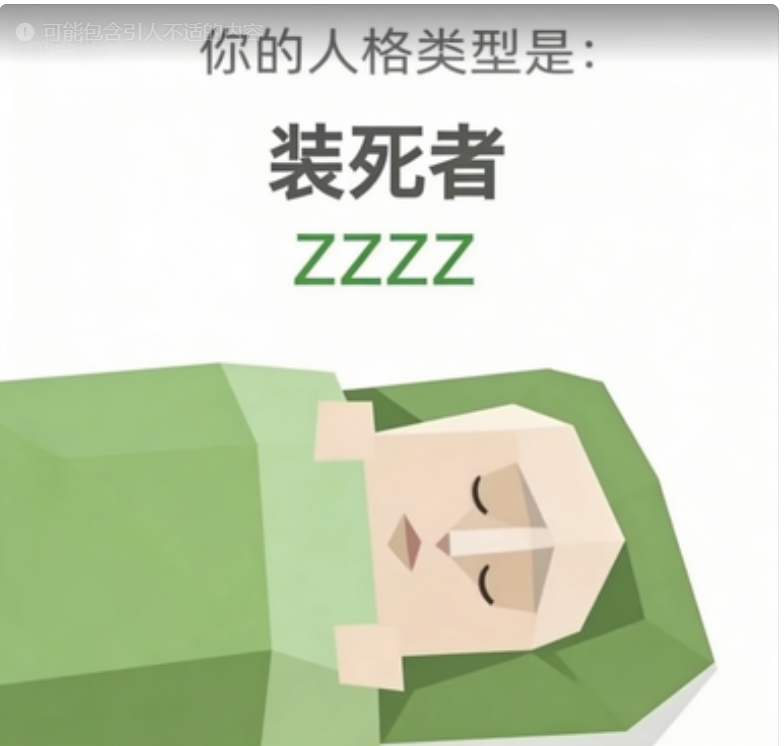
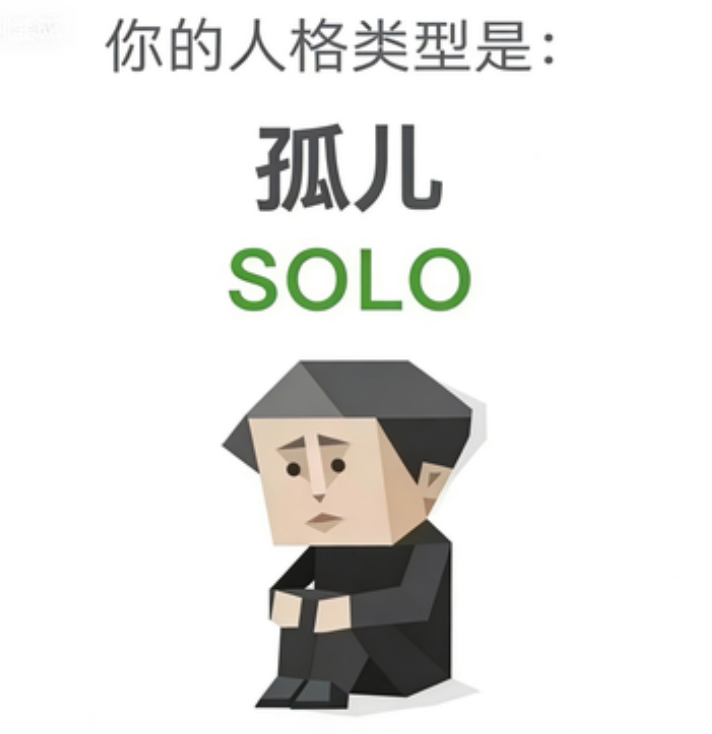
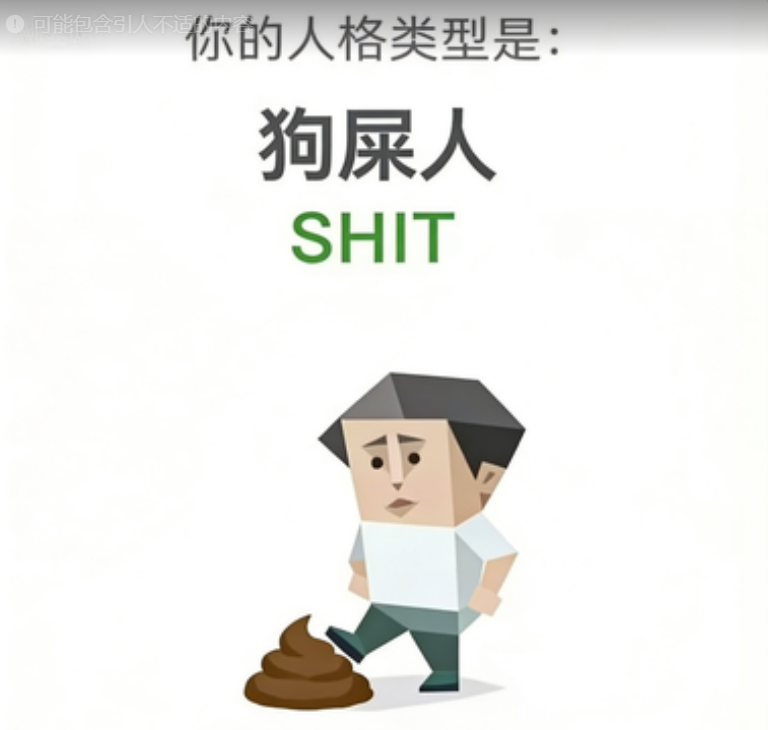
ZZZZ (Pretend-Dead), SOLO (Loner), SHIT (Cynic) are the closest nearby types if you compare only the 15-dimension pattern. Looking at them side by side usually makes the differences clearer.