Pattern
LLH-LHL-LML-LLL-MLL
This is the standard 15-dimension pattern string for the type. It helps explain why this result tends to read the way it does.
Type Detail
You feel deeply, and in relationships you often place yourself a little lower.
You need safety and reassurance more than some people do, which also makes it easy for you to hand your trust over too quickly. The softness is not the problem. The wrong audience is.
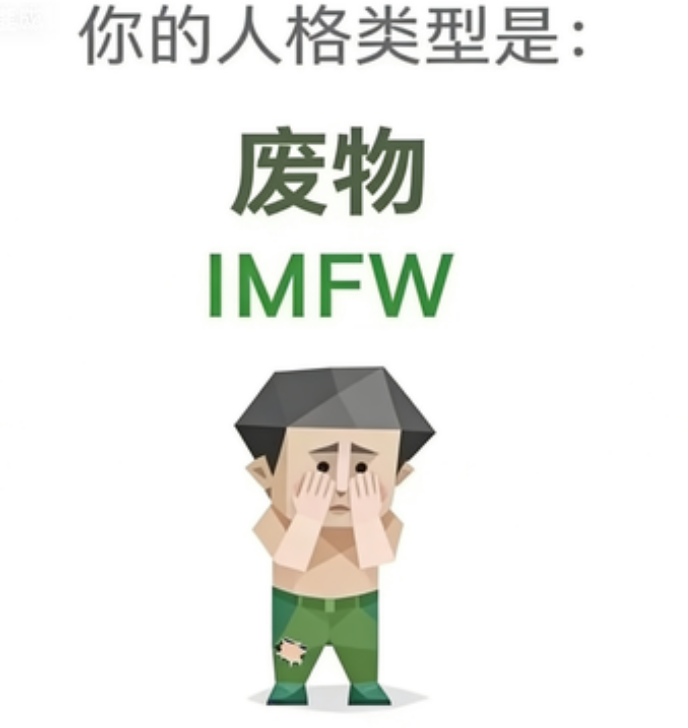
IMFW
Fragile One
Pattern
This is the standard 15-dimension pattern string for the type. It helps explain why this result tends to read the way it does.
How To Use This Page
Use this page to understand the label, its 15-dimension pattern, and the nearby types that sit closest to it.
Result Read
Treat this page as a lightweight result explainer. It is most useful when you combine the label with the 15-dimension breakdown instead of reading it as a strict diagnosis.
You need safety and reassurance more than some people do, which also makes it easy for you to hand your trust over too quickly. The softness is not the problem. The wrong audience is.
If you already finished the quiz, compare this page with your own vector. If you arrived here first, the clearest next step is still to take the full test.
Dimension Snapshot
These cards summarize the default tendency of the type on each dimension, so you can see how the label is built.
Self Model
Your self-doubt threshold is low. A little wind from the outside can trigger a full round of inner friction.
Self Model
The signal of who you are still gets fuzzy. Mood can rewrite your self-image quickly.
Self Model
Goals, growth, and conviction are stronger engines for you.
Emotion Model
Your relationship alarm system is highly sensitive. Silence can quickly become worst-case fiction.
Emotion Model
Once you commit, you usually commit seriously and with real emotional fuel.
Emotion Model
Warmth and closeness matter a lot to you in intimate bonds.
Attitude Model
You look at the world through a protective filter first.
Attitude Model
You shift between rules and flexibility in a practical way.
Attitude Model
Many things feel like empty motions, and meaning comes online less often.
Action Model
Your first instinct is usually to avoid failure before chasing wins.
Action Model
Your inner meeting before a decision tends to run overtime.
Action Model
Your execution and deadlines have a suspiciously intimate relationship.
Social Model
You do not avoid people, but you do not force yourself to open every room either.
Social Model
You more easily pull people inward and let relationships become close.
Social Model
Your expression is more direct and less layered.
Nearby Types
These are the nearest neighboring types if you compare only the 15-dimension pattern.
Learn More
These pages explain what SBTI is, how it differs from MBTI, and how to read the result pages more confidently.
FAQ
You feel deeply, and in relationships you often place yourself a little lower. You need safety and reassurance more than some people do, which also makes it easy for you to hand your trust over too quickly. The softness is not the problem. The wrong audience is. In practice, this label works best as a fast read on tone, habits, and social vibe rather than a strict identity box.
No. SBTI is best treated as entertainment, self-observation, and discussion. It should not replace clinical advice, hiring judgment, or major life decisions.
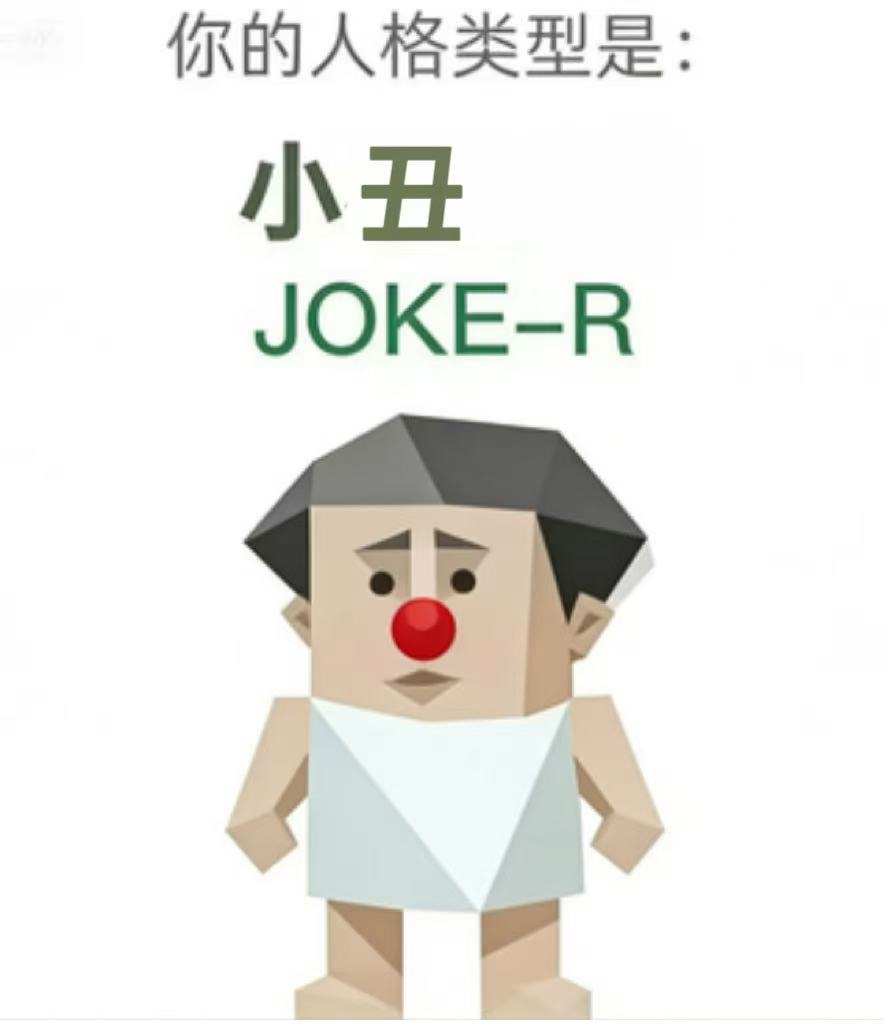
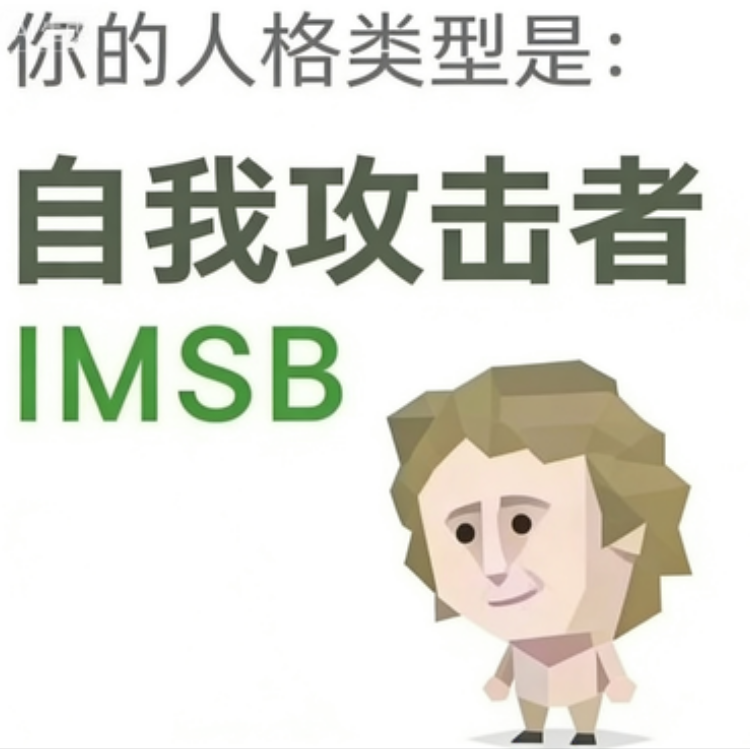
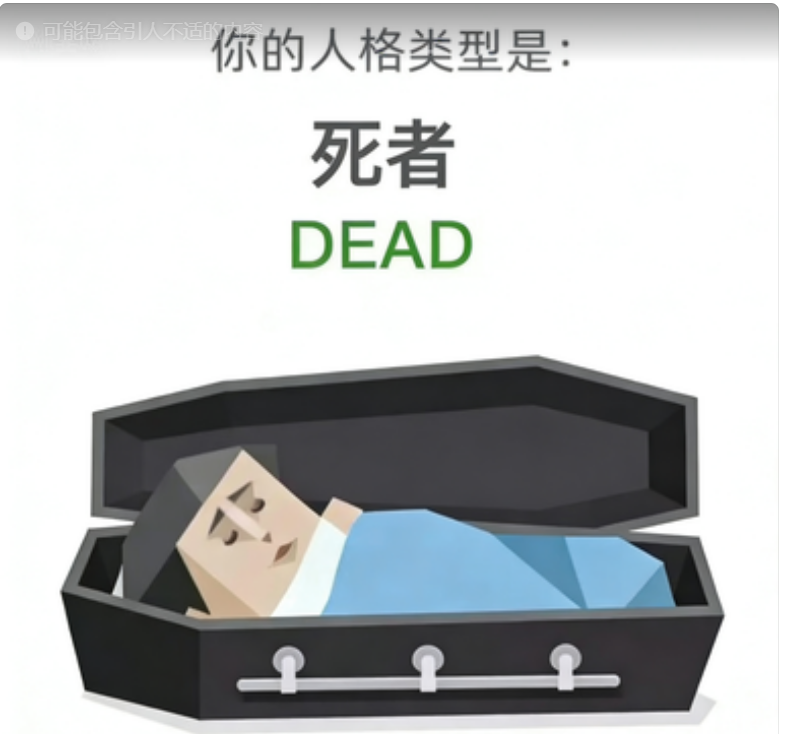
JOKE-R (Joker), IMSB (Self-Roaster), DEAD (Dead Battery) are the closest nearby types if you compare only the 15-dimension pattern. Looking at them side by side usually makes the differences clearer.